
Content Scheduling Apps: How They Simplify Your Social Media Workflow
Content scheduling apps streamline your social media workflow by organizing posts, saving time, and boosting engagement across multiple platforms efficiently.

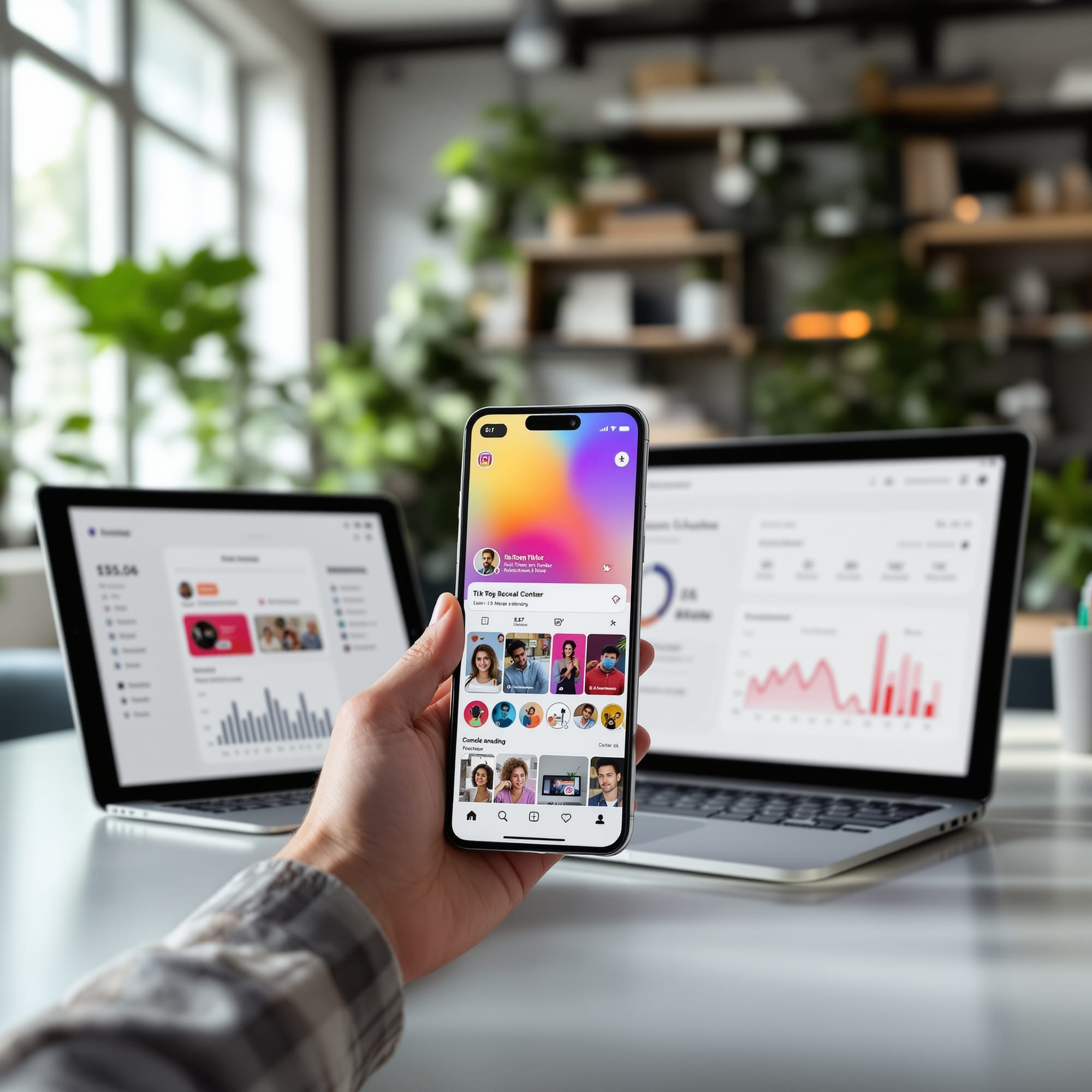
Content scheduling apps are essential tools for modern marketers and creators seeking to streamline their social media workflow. By utilizing content calendar apps, users can effectively plan, organize, and automate their social media posts across various platforms, leading to enhanced audience engagement and consistent content delivery. A social content scheduler app not only simplifies the planning process but also optimizes the timing of publications to align with platform algorithms, ultimately driving conversions and growing your online presence.
These applications are designed with user experience in mind, providing features that allow marketers to create, schedule, and analyze content performance with greater ease. This empowers businesses to not only maintain a steady flow of content but also adapt their strategies based on insights gathered from audience interactions.
What Are Content Scheduling Apps and How Do They Simplify Your Social Media Workflow? | What are the benefits of content scheduling apps? | How can brands effectively utilize content scheduling apps to enhance their social media workflow? | What are common mistakes with content scheduling apps? | How Can Content Scheduling Apps Transform Your Social Media Strategy? | Frequently Asked Questions
What Are Content Scheduling Apps and How Do They Simplify Your Social Media Workflow?
Content scheduling apps, such as SMMplanner, help marketers streamline their social media workflows by allowing them to plan, organize, and automate the posting of content across various platforms. By utilizing a content calendar, businesses can ensure consistent engagement with their audiences, tailored delivery times, and effective campaign management. This capability is crucial in today’s fast-paced digital environment, where timely and relevant content can make a significant difference in audience reach and engagement.
Moreover, using a social content scheduler enables marketers to maintain a strategic focus on their content themes and promotional calendars, ultimately optimizing their social media performance. For example, a digital marketing agency may use these tools to automate posts across channels like Instagram, Facebook, and LinkedIn. This not only saves time for marketers but also maximizes content visibility during peak engagement hours based on analytics data. Recent industry trends indicate that brands that regularly utilize scheduling tools experience up to 3 times higher engagement rates, as content reaches users at the most opportune moments.
What are the benefits of content scheduling apps?
Content scheduling apps streamline the social media workflow, allowing marketers and creators to plan, create, and publish content efficiently. By utilizing a content scheduling app, teams can develop a comprehensive content calendar that aligns with promotional campaigns and seasonal events. This strategic alignment can maximize the impact of each post, ensuring that the content resonates with the audience at the right moment. Research shows that brands using content calendars experience a 30% increase in engagement rates, illustrating the effectiveness of a structured approach towards content publication.
Marketers who use scheduling software are 3x more likely to report successful social media strategies than those who post manually.Sprout Social, 2024
Additionally, these apps help maintain a consistent posting schedule, which is crucial for audience retention and growth. Platforms like Instagram and TikTok favor regular updates and will prioritize content from active accounts in user feeds. With a content scheduler, marketers can automate posts to optimize their reach without the daily hassle of manual publishing. This freedom allows for a more strategic approach to engagement, enabling teams to focus on creative development and audience interactions.
Another significant advantage is the ability to analyze performance metrics through integrated analytics tools within content scheduling apps. Marketers can track metrics such as engagement rate, reach, and conversions to refine their strategies continuously. For example, using these insights, a social media manager might discover that certain post timings lead to higher interactions. They can subsequently adjust their content calendar to post more of their high-performing content during those peak times, leading to better overall campaign results.
Moreover, content scheduling apps facilitate collaboration among team members, which is essential for organizations that manage multiple accounts. With features like team access, approval workflows, and task assignments, team members can work together seamlessly, ensuring that every piece of content meets brand standards before going live. This collaborative environment reduces the risk of last-minute mistakes and enhances the quality of the content produced.
Finally, a well-organized content scheduling strategy not only improves workflow efficiency but also enhances the overall user experience. Consistent, high-quality content delivered at optimal times contributes to stronger brand presence and audience trust. Implementing a content scheduling app can transform how brands approach social media, leading to significant improvements in engagement, reach, and ultimately, conversion rates.
- Streamlines content creation and delivery workflows.
- Facilitates consistent posting schedules to enhance audience retention.
- Provides performance insights for data-driven strategy adjustments.
- Enables team collaboration for higher-quality content outputs.
- Improves brand visibility and audience trust through strategic posting.
How can brands effectively utilize content scheduling apps to enhance their social media workflow?
Content scheduling apps streamline the social media management process by automating the posting of content across various platforms. To maximize efficiency, marketers should develop a structured content calendar that aligns with their brand strategy. This includes planning content types for platforms like Instagram, TikTok, and YouTube, ensuring that posts are tailored to each audience while maintaining a cohesive message. A scheduling tool like SMMplanner can be instrumental in executing this workflow.
Managing multiple social accounts without a scheduler takes businesses 6–10 hours per week per platform.HubSpot, 2024
Additionally, brands should track engagement metrics to determine the best posting times and types of content that resonate with their audience. Regularly revisiting and adjusting the content calendar based on performance analytics can lead to more effective campaigns and audience growth. Consideration of platform-specific algorithms and trends when planning content can also provide an edge in audience reach.
- Develop a theme-based content calendar for each platform.
- Use SMMplanner to automate post scheduling and monitor analytics.
- Track engagement to optimize posting times.
- Adjust strategies based on audience feedback and trends.
- Consistently review performance data to refine future content plans.
What are common mistakes with content scheduling apps?
One of the most significant mistakes brands make when utilizing content scheduling apps is failing to integrate them effectively into their overall social media strategy. Often, users treat these tools as mere publishing platforms instead of components of a broader engagement strategy. This disconnect can lead to unengaging content that does not resonate with the audience, reducing the overall impact of social media efforts.
Instagram captions without line breaks see 45% fewer comments when not customized per platform.Mixpost, 2026
Another common oversight is not utilizing analytics provided by these scheduling applications. Many users set up their content calendars without considering which posts perform best at specific times or days. Ignoring analytics can result in missed opportunities to optimize post timings and formats, leading to diminished audience engagement and lower overall visibility on social platforms.
Additionally, misconceptions surrounding the automation aspect of content scheduling contribute to ineffective strategies. Brands often assume that once content is scheduled, no further monitoring is necessary. This belief can lead to disengaged conversations and missed interactions with followers. Maintaining engagement requires active participation in dialogue, even when content is pre-planned. Scheduling should support, not replace, actual community engagement.
- Failing to align scheduling with overall marketing strategy.
- Ignoring analytics and performance metrics.
- Believing automation eliminates the need for live engagement.
- Neglecting to customize content for different platforms.
- Not reviewing and adjusting scheduled content regularly.
How Can Content Scheduling Apps Transform Your Social Media Strategy?
Employing a content scheduling app helps businesses and creators streamline their social media workflow effectively. By centralizing the planning and publication of content, these apps significantly enhance audience engagement and boost overall reach, leading to improved conversions and brand visibility.
Throughout this article, we explored various content calendar apps and their significance in managing social media strategies. These tools not only simplify the content scheduling process but also provide essential features that enable marketers to optimize their posts according to platform algorithms, ensuring maximum impact. Implementing a robust scheduling tool empowers brands to maintain a consistent online presence while adapting their strategy based on analytical insights.
As you develop your content strategy, consider leveraging these scheduling apps to fine-tune your approach. Stay informed about platform performance, audience reactions, and emerging trends, which will enable you to adjust your marketing efforts dynamically. Additionally, exploring complementary tools like analytics software can further inform your decisions and enhance your content execution.
Frequently Asked Questions
What is a content scheduling app?
A content scheduling app is a tool that allows users to plan, organize, and automate their social media posts. This enables marketers to maintain a consistent online presence and engage audiences effectively.
How do content calendar apps improve workflow?
Content calendar apps streamline the workflow by providing a visual representation of scheduled posts, enabling teams to collaborate and adjust their strategies based on analytics and audience engagement.
Can social content scheduler apps help with audience engagement?
Yes, social content scheduler apps optimize post timing based on audience activity, ensuring content reaches users when they are most active, thus boosting engagement rates.
Why should businesses use a content scheduling app?
Businesses should use a content scheduling app to save time, enhance organization, and create a cohesive content strategy that aligns with their marketing goals, ultimately driving conversions.
Is analytics important when using a content scheduling app?
Absolutely, analytics are crucial as they provide insights into post performance, allowing marketers to refine their strategies based on what resonates with their audience.
How can I choose the right content scheduling app for my needs?
To choose the right content scheduling app, evaluate your specific requirements, such as the platforms you need to cover, collaboration features, and analytics capabilities. A tool like SMMplanner can offer comprehensive solutions tailored to your workflow.