
Effective Social Media Posting Schedules for Growth
Effective social media posting schedules boost engagement and growth by targeting the best times to share content with your audience consistently.

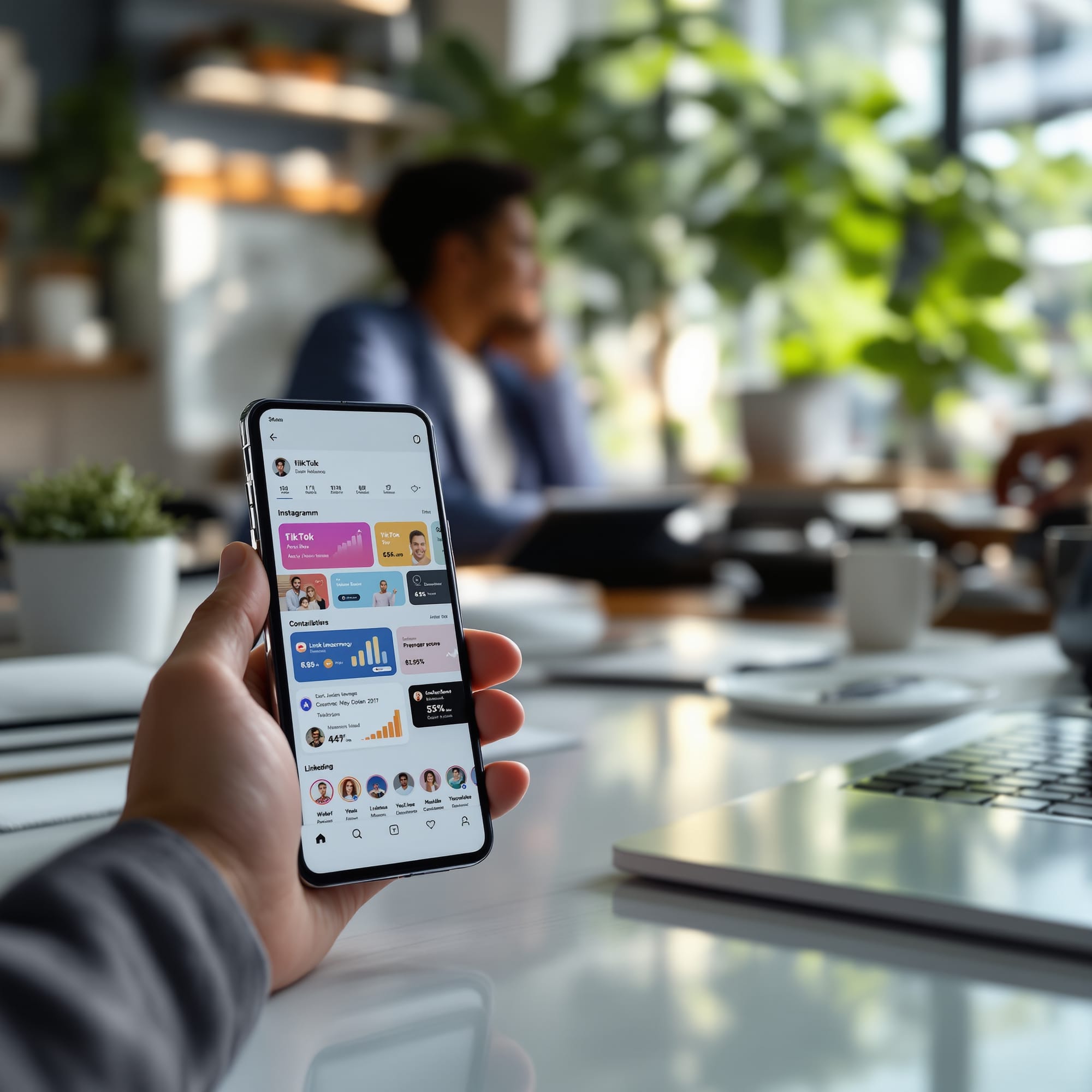
Creating an effective social media posting schedule is crucial for driving growth and engagement on platforms like Instagram. A well-structured posting timetable helps optimize reach, boosts audience interaction, and can significantly enhance conversions. Utilizing a post scheduler not only streamlines your content strategy but also aligns your postings with platform algorithms, ensuring your posts land at the most impactful times.
To achieve these results, it's essential to understand the nuances of each social media platform and leverage social media posting apps that facilitate timely and strategic content distribution. By employing the right scheduling tools, you can maximize your outreach and build a dynamic online presence that resonates with your target audience.
What is an Effective Social Media Posting Schedule for Growth? | What are the benefits of effective social media posting schedules for growth? | How can brands create effective social media posting schedules for growth? | What are common mistakes with social media posting schedules? | How Can an Effective Social Media Posting Schedule Drive Your Business Growth? | Frequently Asked Questions
What is an Effective Social Media Posting Schedule for Growth?
An effective social media posting schedule is a strategic plan that outlines when and how often you should post content on various platforms to maximize engagement and reach. By aligning your posting times with your audience's online habits, you can significantly improve visibility and interaction rates. This matters in modern social media marketing because optimizing your posting schedule can lead to increased follower growth, improved analytics, and ultimately higher conversion rates.
For instance, using a post scheduler like SMMplanner allows marketers to automate their posting across platforms like Instagram, Facebook, and TikTok. By analyzing user behavior and engagement metrics, you can identify optimal times to post based on when your target audience is most active. For example, if your audience primarily engages in the evenings during weekdays, scheduling your posts for this time can increase chances of interaction, thereby enhancing your brand's digital presence and effectiveness. Additionally, recent trends show that brands posting consistently during peak hours see up to a 30% increase in engagement, making it essential to leverage scheduling tools for maximizing your reach.
What are the benefits of effective social media posting schedules for growth?
Creating an effective social media posting schedule is crucial for businesses aiming to enhance their online presence and drive engagement. Regularly scheduled content maximizes visibility by ensuring that posts are shared when audiences are most active. For instance, studies indicate that posts made on Instagram during midweek evenings see a 20% higher engagement rate, underscoring the importance of timing in capturing audience attention. By aligning posting times with audience behaviors, marketers can significantly enhance reach and interactions, leading to better overall campaign performance.
Another crucial benefit of a well-planned posting schedule is improved content workflow and strategy. Utilizing a social media management software, like SMMplanner, allows marketers to plan, curate, and schedule their posts in advance. This not only frees up time for creative endeavors but also ensures that messaging remains consistent across all platforms. Consistency is vital in building brand recognition and trust, which are essential for customer retention and loyalty.
Engagement metrics offer tangible evidence of effective posting strategies. For example, brands that post at least three times per week on Facebook can see a 75% increase in audience interactions. Additionally, A/B testing different schedules can reveal peak times specific to a brand’s target audience, equipping marketers with the insights needed to optimize future campaigns. The ability to analyze which posts perform best at which times directly informs content strategy and maximization of reach.
Leveraging analytics is another key advantage of maintaining an organized posting schedule. By regularly assessing metrics such as engagement rates, clicks, and conversions, marketers can refine their strategies to align with audience preferences. For instance, monitoring Instagram Insights can reveal when followers are most active, enabling tailored posts that align with those peak times and thereby fostering higher engagement levels.
In summary, the strategic advantages of utilizing effective social media posting schedules extend across various dimensions of audience reach, engagement, and conversion rates. By integrating a thoughtful approach to scheduling and utilizing useful tools to streamline processes, marketers can create impactful content that resonates with their audiences. This leads to substantial growth in an organization's social media presence as engagement and follower counts rise.
- Maximizes post visibility during peak engagement times.
- Enhances content workflow through advanced scheduling tools.
- Improves audience insights and optimizes future content strategies.
- Fosters brand consistency and trust through regular posting.
- Increases conversions through targeted engagement.
How can brands create effective social media posting schedules for growth?
Creating a successful social media posting schedule is essential for maximizing engagement and fostering audience growth. To implement an effective strategy, brands should begin by analyzing their target audience and understanding when they are most active on different platforms. Utilizing insights from your social media analytics can reveal optimal posting times, ensuring that content reaches the largest audience possible. Regularly reviewing these insights will help you adjust your schedule as necessary to maintain relevance and engagement.
Once you know when to post, utilize social media posting apps like SMMplanner to create a content calendar that aligns with your marketing goals. This helps maintain consistency and allows for effective campaign management across platforms such as Instagram, TikTok, and LinkedIn. Additionally, always have a backup of your visual assets to ensure that you can keep your schedule on track, even if unplanned changes arise.
- Analyze audience insights regularly to identify peak engagement times.
- Create a monthly content calendar using a scheduling tool.
- Plan diverse content types tailored to each platform’s audience.
- Monitor performance metrics to refine posting strategies.
- Stay flexible and adjust schedules based on current trends.
What are common mistakes with social media posting schedules?
One of the most prevalent mistakes brands make when crafting their social media posting schedules is neglecting to analyze audience behavior. Posting content without understanding when your audience is most active can lead to missed opportunities for engagement. Each platform has unique peak times, and failing to align your posting strategy with these times can significantly reduce the visibility of your posts. Instead, leverage analytics tools within your social media dashboard or a post scheduler to determine optimal posting times based on user engagement data.
Another ineffective tactic is relying on a one-size-fits-all approach for posting times across different platforms. Each social media platform accommodates distinct user habits and preferences; therefore, a posting schedule that works well on Instagram may not yield the same results on Twitter. Brands should create tailored strategies for each platform, considering factors like user demographics and content type, to enhance engagement and growth potential.
Misconceptions about frequency also hinder the effectiveness of social media posting schedules. Some marketers believe that posting more frequently guarantees better coverage, but this tactic can lead to content fatigue among followers. It's crucial to strike the right balance between quality and quantity; focus on creating valuable content rather than overwhelming your audience with posts. Use insights from social media posting apps to refine your approach, ensuring content resonances well without oversaturation.
To optimize your social media posting strategies, consider adopting a flexible schedule that allows for adjustments based on real-time analytics. Rigid schedules can be counterproductive; instead, experiment with different posting times, and adapt based on feedback and engagement. Utilize your post scheduler to test various timings and content formats, examining which combinations yield the highest engagement rates.
- Neglecting to analyze audience behavior before scheduling posts.
- Using a universal posting schedule for all platforms.
- Overposting and leading to audience fatigue.
- Failing to adjust based on engagement data.
- Ignoring platform-specific peak times for better visibility.
How Can an Effective Social Media Posting Schedule Drive Your Business Growth?
Establishing a well-structured social media posting schedule helps businesses and creators achieve audience growth and higher engagement. By understanding the optimal times to post on platforms like Instagram, firms can leverage their content more effectively, fostering increased reach and conversions.
Throughout this article, we highlighted the significance of analyzing platform algorithms and user behavior to craft an effective posting strategy. From utilizing social media posting apps that streamline content delivery to understanding the nuances of different platforms, these practices are essential for maximizing brand visibility and engagement.
To take your social media strategy further, consider implementing a dedicated social media management software that allows for better scheduling and analytics. As you refine your posting schedule, don’t forget to explore advanced content strategies, ongoing audience engagement methods, and platform-specific trends to continuously optimize your brand presence.
Frequently Asked Questions
What is an effective social media posting schedule?
An effective social media posting schedule is a strategic plan that outlines when and what content to post on different platforms to maximize engagement, reach, and conversions. This schedule should consider the unique audience behaviors and peak activity times for each platform to ensure optimal visibility.
How can I determine the best times to post on social media?
To determine the best times to post, analyze your audience insights and engagement metrics from previous posts on each platform. Tools like social media analytics within your posting apps can help pinpoint peak engagement times, guiding your scheduling decisions.
Can a post scheduler improve my social media strategy?
Yes, using a post scheduler can enhance your social media strategy by automating content distribution, ensuring consistency, and freeing up time for more strategic initiatives. It allows for the timely posting of content, which is crucial for engagement and algorithm favorability.
Why is it important to have a different posting schedule for each platform?
Each social media platform has its unique audience and content preferences, making it essential to tailor your posting schedule accordingly. Adjusting your times and frequency can help you cater to specific demographic engagement patterns, leading to better overall performance.
How can I use social media posting apps effectively?
To use social media posting apps effectively, start by planning your content calendar and leveraging the scheduling features to automate posts. Regularly review analytics from these apps to refine your strategy based on audience reaction and engagement metrics.
Is it beneficial to post the same content across multiple platforms?
While cross-posting can save time, it's generally more effective to tailor your content for each platform to resonate better with its unique audience. Adjusting formats, captions, and hashtags based on platform specifics can enhance engagement and effectiveness.