
How Social Media Manager Tools Can Transform Your Marketing
Social media manager tools streamline marketing efforts by improving content scheduling, engagement tracking, and performance analysis for better results.

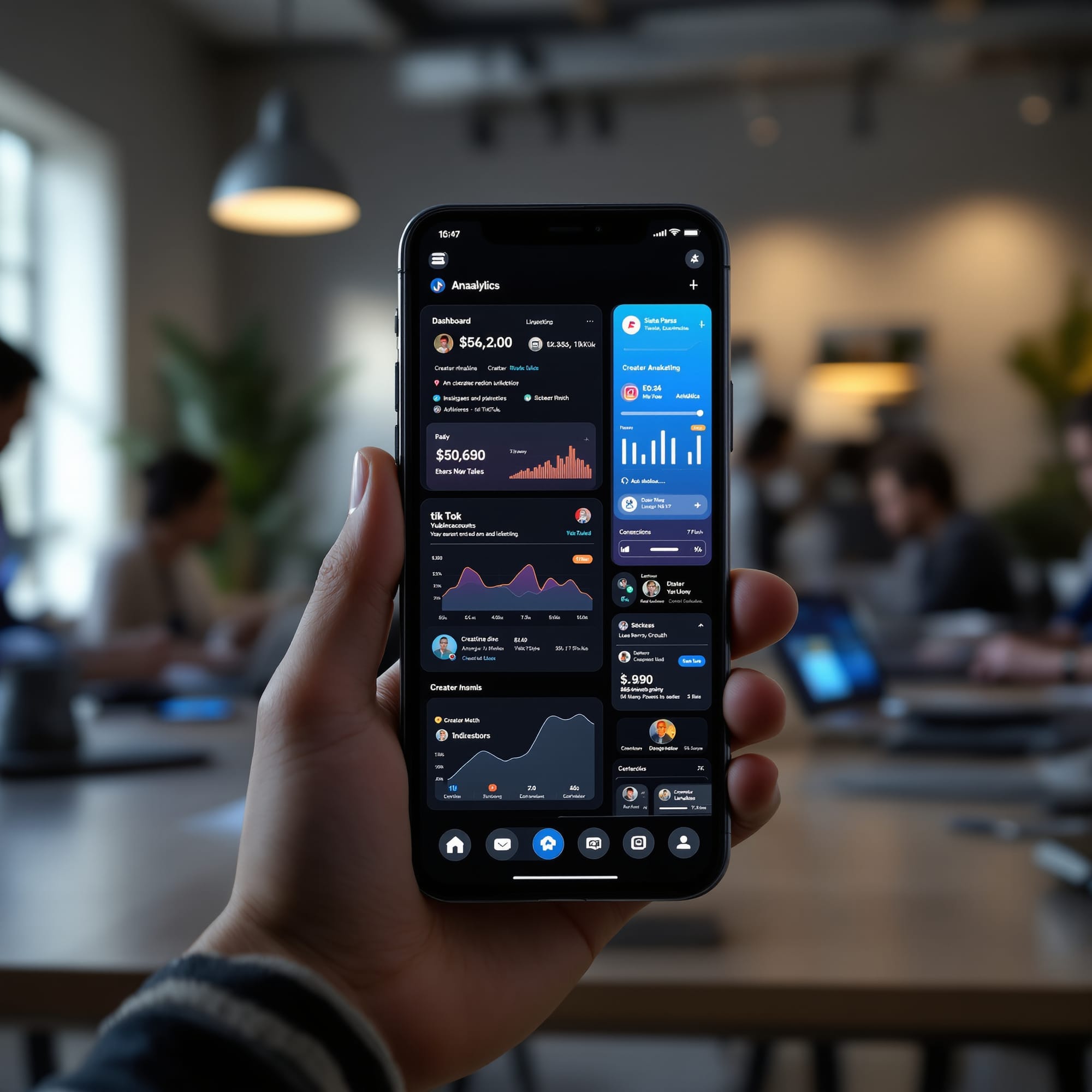
Social media manager tools are essential for transforming your marketing strategy by automating tasks and enhancing brand presence across various platforms. These social media management software options not only provide scheduling capabilities but also offer powerful features like analytics, engagement tracking, and content optimization. With the right social media management platforms, marketers, founders, and creators can streamline their processes, improve audience engagement, and achieve significant growth in conversions.
Utilizing these social media admin tools allows businesses to stay ahead of platform algorithms, making informed decisions that drive results. This shift towards automation and strategic insights is pivotal in today's fast-paced digital landscape, empowering users to focus more on creative content and audience interaction.
What are Social Media Manager Tools and Why are They Essential for Modern Marketing? | What are the benefits of social media manager tools? | How can social media manager tools transform your marketing strategy? | What are common mistakes with social media manager tools? | How Can Social Media Manager Tools Elevate Your Marketing Strategy? | Frequently Asked Questions
What are Social Media Manager Tools and Why are They Essential for Modern Marketing?
Social media manager tools are comprehensive platforms designed to streamline marketing efforts across various digital platforms, such as Instagram, Facebook, and LinkedIn. They enable marketers to manage content scheduling, audience engagement, and performance analytics from a single interface, thus enhancing overall marketing efficiency and brand visibility. These tools go beyond basic scheduling; they encompass functionalities such as social listening, competitor analysis, and automated reporting, which are crucial for data-driven decision making in the fast-paced digital landscape.
For instance, a typical use case involves a brand using a social media management software like SMMplanner to not only schedule posts but also to analyze engagement metrics across multiple channels. This allows them to tailor their content strategy based on what resonates best with their audience. Recent trends indicate that brands that leverage advanced features of social media manager tools experience a 30% increase in customer engagement rates, affirming their critical role in modern marketing strategies. As platforms evolve and algorithms change, having a reliable social media admin tool that offers real-time insights can significantly boost a brand's competitive edge.
What are the benefits of social media manager tools?
Social media manager tools are essential for optimizing marketing strategies across various platforms. By leveraging these tools, businesses can streamline their content workflows, allowing for efficient planning, creation, and distribution of social media posts. With the ability to manage multiple accounts from one interface, brands ensure that their messaging is consistent and aligned with marketing objectives. This cohesion not only strengthens brand identity but also enhances audience engagement, increasing overall reach.
Moreover, these tools provide valuable analytics that help marketers understand audience behavior and preferences. For instance, platforms like Instagram and Facebook offer insights into audience demographics, peak engagement times, and post performance. This data enables marketers to tailor their content strategies, optimize posting schedules, and ultimately drive better conversion rates. The shift towards data-driven marketing makes social media management software invaluable in today’s competitive landscape.
In addition to scheduling capabilities, these tools support collaborative content creation, making it easier for teams to work together efficiently. This feature is particularly useful for larger organizations with various stakeholders involved in content approval and publishing. By centralizing the content creation process, social media manager tools reduce miscommunication, thereby speeding up campaign execution and increasing productivity.
Campaign optimization is another significant benefit provided by social media management platforms. By utilizing A/B testing features within these tools, marketers can experiment with different content types, headlines, and visuals to determine what resonates best with their audience. This iterative process enables brands to refine their strategies continuously, improving engagement metrics and overall return on investment.
Lastly, these tools empower marketers to stay updated on platform algorithms and industry trends. For example, the shift towards video content on platforms like TikTok and Instagram emphasizes the need for marketers to adapt their content strategies rapidly. Tools that offer trend analysis provide insights that keep brands ahead of the curve, allowing for timely and relevant social media campaigns.
- Streamlined content workflows enhance efficiency.
- Actionable analytics inform strategic content decisions.
- Collaborative features improve team productivity.
- Testing and optimization capabilities boost engagement.
- Insights on trends keep brands competitive.
How can social media manager tools transform your marketing strategy?
Implementing a social media manager tool is essential for brands aiming to enhance their marketing efficiency. These tools not only facilitate scheduling but also streamline analytics reporting, content curation, and audience engagement. By utilizing software options like SMMplanner, marketers can consolidate multiple tasks into a unified workflow, saving time and reducing management complexity. This transformation allows brands to focus more on creative strategies rather than logistical challenges.
To fully leverage the capabilities of social media management software, it is crucial to adopt a structured approach that includes content planning, performance analysis, and regular optimization of the campaigns. For example, using analytics features, marketers can monitor the effectiveness of posts and refine their strategies in real-time, making data-driven decisions that resonate with their audience.
- Identify your goals: Define what you want to achieve with your social media presence, whether it's increasing brand awareness or driving sales.
- Choose the right tool: Select a social media management platform that meets your specific needs, such as SMMplanner for scheduling and analytics.
- Create a content calendar: Plan out your posts in advance to ensure consistency and optimize for engagement on each platform.
- Analyze and adjust: Utilize analytics tools within your selected software to track performance and adjust your strategies accordingly.
- Engage your audience: Use the community management features to interact with your followers and foster a strong brand-customer relationship.
What are common mistakes with social media manager tools?
One prevalent mistake marketers make when using social media manager tools is over-reliance on automation. While scheduling posts in advance can help streamline workflows, neglecting real-time engagement can lead to missed interactions with audiences. This often results in a lack of authenticity, as brands may appear disconnected or unresponsive, which can tarnish their reputation on social media platforms.
Another common pitfall is failing to utilize analytics features provided by social media management software. Many users treat these tools primarily as scheduling options and overlook the crucial insights they offer. By not regularly reviewing performance metrics, brands miss opportunities to adjust their strategies, optimize content, and ultimately increase audience engagement across social media management platforms.
Additionally, a misconception persists that one-size-fits-all content works for every social media channel. Brands often post the same message across multiple platforms, ignoring the unique audiences and interactions each platform fosters. Tailoring content to fit the specific culture and preferences of different social media platforms can enhance effectiveness and engagement.
To further improve results, marketers should consider alternative strategies. Instead of just focusing on the volume of scheduled posts, prioritize quality and relevance. Incorporating interactive elements such as polls, questions, or user-generated content can create more engaging experiences rather than relying solely on promotional posts. Using a social media admin tool that supports diverse content formats can also enrich your strategy.
- Over-reliance on automation without real-time engagement.
- Neglecting the analytics offered by social media management tools.
- Using the same content across all platforms without customization.
- Focusing on the quantity of posts over quality and relevance.
- Ignoring interactive content opportunities that drive engagement.
How Can Social Media Manager Tools Elevate Your Marketing Strategy?
Utilizing a social media manager tool empowers businesses and creators to enhance their marketing efficiency and drive audience engagement. These tools provide essential features beyond mere scheduling, assisting brands in streamlining content planning, optimizing reach, and measuring performance across various platforms.
The importance of social media management software lies in its ability to centralize your marketing efforts. By automating routine tasks and leveraging analytics, these platforms enable marketers to focus on strategic growth. The integration of advanced features like audience targeting, performance tracking, and engagement analysis ensures that your messaging resonates with the right audience at the right time.
To fully harness the potential of social media admin tools, it’s crucial to implement a tailored content strategy that aligns with your brand’s goals. Investing in robust software not only increases your operational efficiency but also positions your brand for sustainable growth in the digital landscape. As you explore further, consider diving into topics like advanced audience segmentation or the latest algorithm changes on major platforms.
In conclusion, adopting a social media management platform is a strategic move for any forward-thinking marketer or creator. It simplifies complex tasks and strengthens your brand presence, driving increased conversions and engagement. As you continue to enhance your marketing approach, staying abreast of new tools and strategies will ensure that you maintain a competitive edge in an ever-evolving digital environment.
Frequently Asked Questions
What is a social media manager tool?
A social media manager tool is a software application that helps businesses manage their social media presence by providing features like scheduling posts, monitoring engagement, and analyzing performance across various platforms. These tools streamline workflows, enabling marketers to focus on strategy rather than repetitive tasks.
How can social media management software enhance audience engagement?
By utilizing analytics features, social media management software allows marketers to track user interactions and understand audience preferences. This data can be used to create tailored content that resonates with the target audience, ultimately boosting engagement and fostering community growth.
Why is scheduling important in social media management?
Scheduling posts through a social media manager tool ensures consistent content delivery, which is key for maintaining audience interest and optimizing reach during peak engagement times. It allows businesses to plan their content strategy efficiently while minimizing the last-minute rush.
What features should I look for in social media management platforms?
Essential features include post scheduling, performance analytics, audience insights, engagement tracking, and collaboration tools. These capabilities help marketers improve their content strategies, adjust messaging based on analytics, and optimize for platform algorithms.
Can social media admin tools help with conversions?
Yes, by utilizing insights and targeting tools, social media admin tools can enhance marketing effectiveness and drive conversions. These features allow businesses to tailor their campaigns to specific audiences, aligning messaging with user interests, thus increasing the likelihood of conversion.
Is it possible to manage multiple platforms with a social media management tool?
Absolutely, many social media management platforms support multiple accounts and networks, enabling centralized management. This simplifies the process of cross-platform content posting, engagement tracking, and performance analysis, thus saving time and improving efficiency.