
Social Media Content Planning vs Scheduling: Which Should You Prioritize?
Effective social media management balances content planning and scheduling to maximize engagement and streamline your marketing efforts.

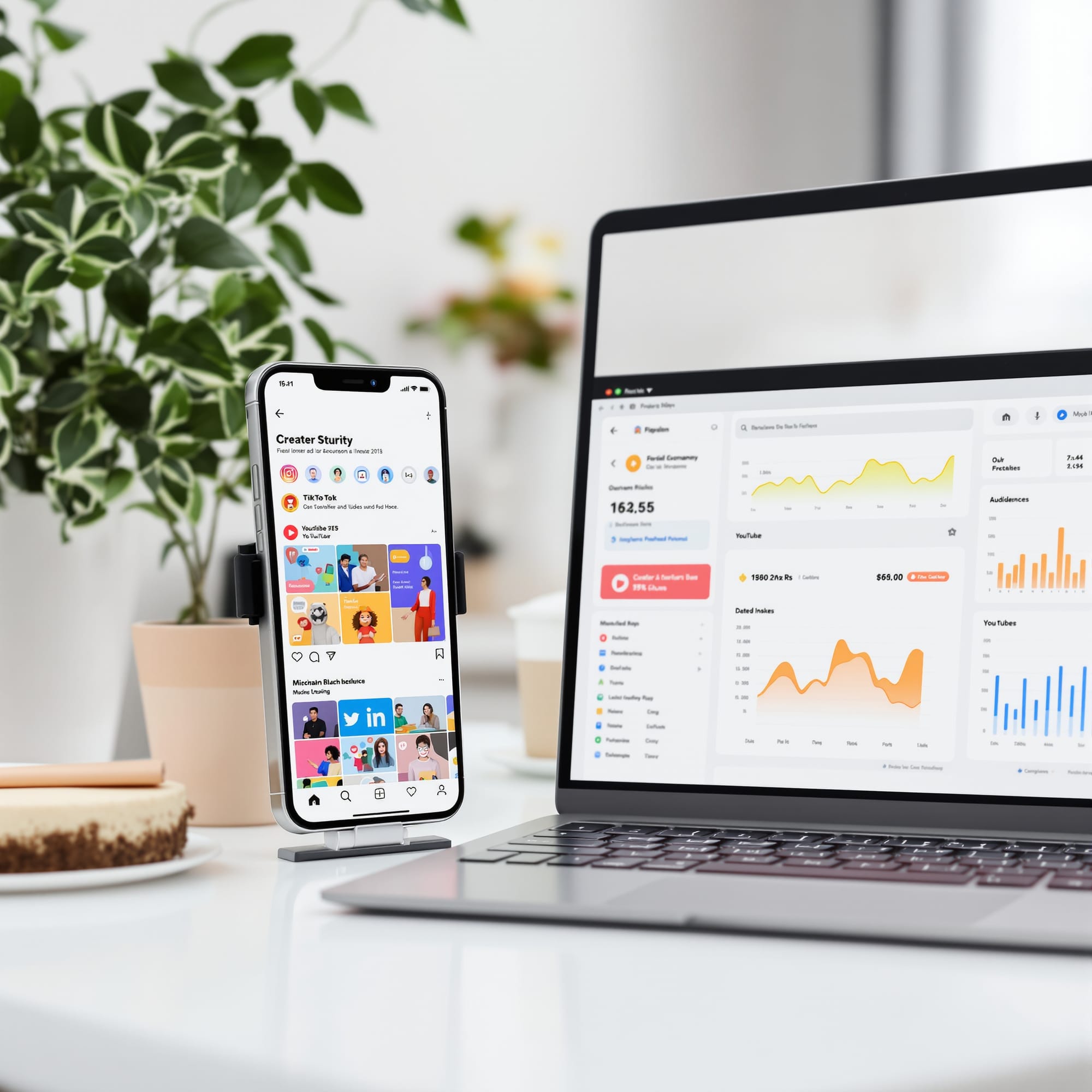
Understanding the distinction between social media content planning and scheduling is essential for marketers aiming to optimize their workflow. A social media content planner helps you strategize your messaging and target audience effectively, ensuring that your content resonates with your followers. Meanwhile, a social media posting schedule allows for the timely delivery of that content across various platforms, enhancing engagement and reach.
By integrating both elements, you can leverage your social media planning calendar to not only plan but also execute a robust content strategy that aligns with platform algorithms. Prioritizing this balance enables creators, agencies, and small business owners to maximize conversions and audience growth in a competitive digital landscape.
What is Social Media Content Planning vs Scheduling: Which Should You Prioritize? | What are the benefits of social media content planning versus scheduling? | How should marketers balance social media content planning and scheduling? | What common mistakes do marketers make in social media content planning and scheduling? | How Can Strategic Content Planning Enhance Your Social Media Efforts? | Frequently Asked Questions
What is Social Media Content Planning vs Scheduling: Which Should You Prioritize?
Social media content planning involves strategizing the type of content to produce and when to share it, while scheduling refers to the actual timing of posting across platforms like Instagram, Facebook, and LinkedIn. Understanding the distinction is essential for marketers who aim to enhance engagement and optimize their workflows effectively.
For example, a social media content planner will determine the themes for each month, select appropriate formats such as videos or infographics, and set campaign goals. This foresight guides the subsequent scheduling phase where a tool like SMMplanner can automate post delivery. By maintaining a structured social media posting schedule, businesses can ensure consistent engagement with their audience and adapt to the latest trends—such as the growing preference for video content on platforms like TikTok and Instagram Reels, which are known for boosting visibility and conversion rates.
What are the benefits of social media content planning versus scheduling?
Effective social media content planning is essential for aligning your marketing efforts with audience needs and platform algorithms. By establishing a clear roadmap for your content, you can ensure that each post serves a strategic purpose, whether to boost engagement, drive traffic, or generate leads. Social media platforms such as Instagram and TikTok reward consistency and relevance—this means that a well-structured content plan allows you to stay ahead of trends and maintain a cohesive brand voice, enhancing overall audience connection.
On the other hand, social media scheduling focuses on the operational aspect of publishing your planned content at optimal times. Utilizing a robust social media management software, you can automate the posting process, ensuring that your content reaches your audience when they are most active. For example, studies indicate that posts on Instagram see the highest engagement on weekdays during lunch hours. By scheduling posts accordingly, you can maximize your content reach and engagement rates effortlessly.
Moreover, integrating both content planning and scheduling can drastically enhance your workflow efficiency. A well-organized social media planner allows you to visualize content themes over time, while a scheduling tool eliminates manual posting tasks and reduces human error. This synergy leads to smoother execution of campaigns, allowing marketers to focus on analytics and performance tracking instead of day-to-day posting logistics.
Understanding the impact of analytics can significantly inform both your planning and scheduling strategies. Insights from audience interaction can pinpoint which types of content perform best, enabling you to tailor future posts accordingly. Utilizing analytics ensures you are not just following posting schedules but rather adapting based on what truly resonates with your audience, allowing for continuous improvement and increased conversions.
In summary, prioritizing both social media content planning and scheduling can significantly benefit your overall marketing strategy. Having a clear plan ensures consistency and alignment with your goals while effective scheduling optimizes the timing of your messages. Investing in both areas is essential for enhancing audience growth, ensuring quality engagement, and ultimately driving business results.
- Establish a cohesive brand voice through strategic content planning.
- Maximize engagement by scheduling posts at optimal times.
- Integrate analytics to adapt content strategies based on audience preferences.
- Streamline workflows by using a content planner alongside scheduling tools.
- Enhance campaign performance with continuous planning and scheduling optimization.
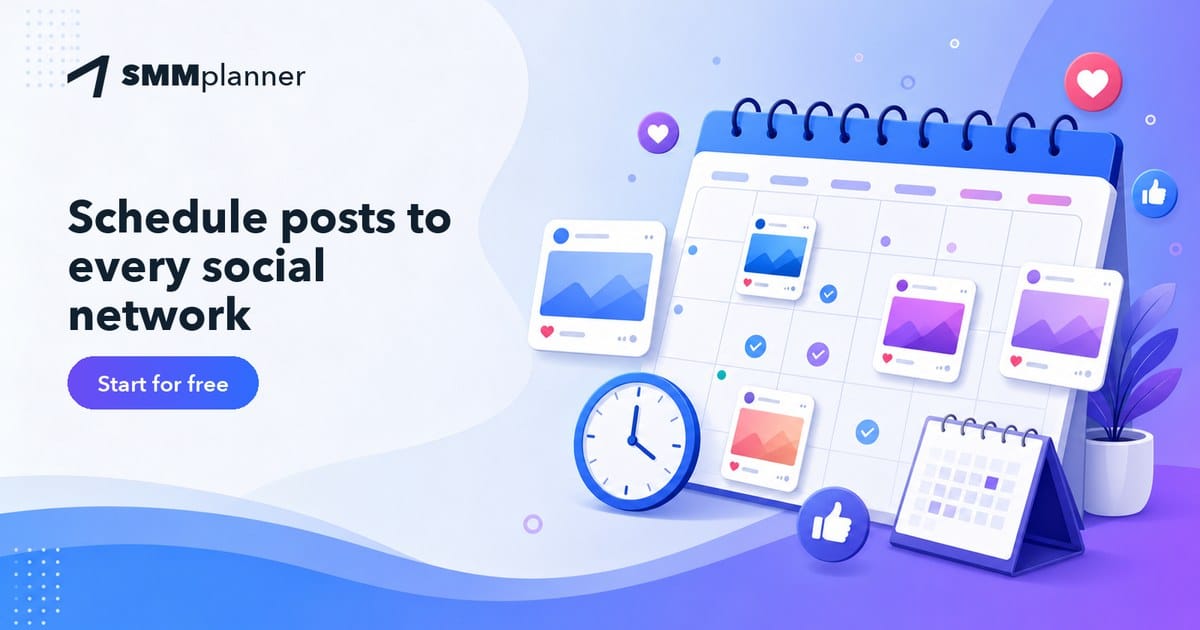
How should marketers balance social media content planning and scheduling?
To effectively optimize your social media marketing, it’s essential to strike a balance between content planning and scheduling. A robust social media content planner aids in strategizing your topics, themes, and messaging while anticipating audience engagement. Begin by setting clear objectives for each platform, aligning your content with your brand’s overall marketing strategy. Utilizing a social media planning calendar helps visualize your overall strategy and ensures your messaging is consistent across different channels, such as Instagram, TikTok, and LinkedIn.
Simultaneously, implementing a social media posting schedule ensures timely delivery of content, improving audience engagement. While planning outlines what you will share, scheduling allows you to control when to share it, capitalizing on peak engagement times. Using tools designed for social media management can help automate this process, allowing you to maintain a steady flow of content while focusing on quality and creativity.
- Define primary goals and audience personas for each platform.
- Create a content calendar for consistent messaging and themes.
- Use a social media content planner to outline your campaign ideas and formats.
- Schedule posts using a social media management tool to ensure timely releases aligned with your audience’s peak activity.
- Regularly analyze performance metrics to refine both planning and scheduling approaches.
What common mistakes do marketers make in social media content planning and scheduling?
Many marketers confuse social media content planning with scheduling, leading to ineffective engagement strategies. A common mistake is focusing excessively on scheduling posts without a clear content strategy. This often results in a disjointed social media presence where content does not align with overall marketing goals, missing opportunities for audience engagement.
Another frequent misstep is underestimating the importance of audience research. Marketers sometimes assume they know their audience's preferences without conducting thorough analysis, leading to generic content that fails to resonate. Failing to utilize data-driven insights can result in scheduling posts that don’t reach or engage the intended audience effectively.
Additionally, many brands still cling to outdated practices such as over-scheduling content or utilizing a one-size-fits-all approach. These tactics can lead to content fatigue among followers and diminished organic reach. Instead, an adaptive planning calendar can help address audience needs and trends more fluidly.
- Relying solely on scheduling can lead to missed opportunities for real-time engagement.
- Ignoring analytics when adjusting the content plan may result in repetitive and ineffective posts.
- Over-scheduling posts without considering quality can negatively impact brand perception.
- Failing to integrate audience feedback into the planning process can hinder content relevance.
- Not distinguishing between short-term scheduling needs and long-term content strategy may undermine overall effectiveness.
How Can Strategic Content Planning Enhance Your Social Media Efforts?
Effective social media content planning helps marketers and creators achieve robust audience engagement and improved conversions. By distinguishing between the crucial phases of planning and scheduling, businesses can craft a comprehensive strategy that maximizes reach and brand visibility across platforms.
Throughout this article, we explored the importance of utilizing a social media content planner to define objectives, develop themes, and identify key messaging that resonates with target audiences. We highlighted how a well-structured social media posting schedule supports the implementation of this strategy, ensuring timely delivery of content that aligns with platform algorithms and user behavior.
To thrive in the competitive digital landscape, it’s essential to prioritize both planning and scheduling in your social media strategy. Invest time in creating a detailed social media planning calendar, allowing for flexibility and responsiveness to trends while maintaining a consistent brand presence. Consider leveraging a scheduling tool, like SMMplanner, to efficiently manage and execute your content plans.
As you refine your approach to social media marketing, continue exploring topics such as audience development and effective content strategy to unlock further growth opportunities. Developing a holistic view of your social media efforts will empower your brand to enhance engagement and foster lasting relationships with your audience.
Frequently Asked Questions
What is the difference between social media content planning and scheduling?
Social media content planning involves strategizing and creating content that aligns with your audience and brand goals, while scheduling focuses on the timing and method of posting that content across platforms to maximize engagement and reach.
How can a social media content planner improve my workflow?
A social media content planner provides a structured approach to brainstorming and organizing content ideas, helping marketers create a cohesive messaging strategy that resonates with their audience and drives conversions.
Why is it important to prioritize scheduling in social media marketing?
Prioritizing scheduling ensures consistent posting, which is crucial given platform algorithms favor active accounts. Proper scheduling enables you to reach your audience when they are most engaged, boosting visibility and interaction rates.
Can effective social media planning increase audience growth?
Yes, effective social media planning allows you to create targeted content that speaks directly to your audience's interests and pain points, ultimately attracting more followers and fostering community growth.
How can I measure the success of my social media content strategy?
Utilize analytics tools to track key performance metrics such as engagement rates, follower growth, and conversion rates. This data will help you assess the effectiveness of your content and refine your strategy accordingly.
Is there a recommended tool for managing my social media posting schedule?
Using a scheduling tool like SMMplanner can streamline your posting process, enabling you to plan and automate your content sharing on multiple platforms, ensuring you stay consistent and organized.