
Social Media Posting Calendars: Planning and Organizing Your Content
Effective social media posting calendars help you plan and organize content consistently, boosting engagement and streamlining your marketing strategy.

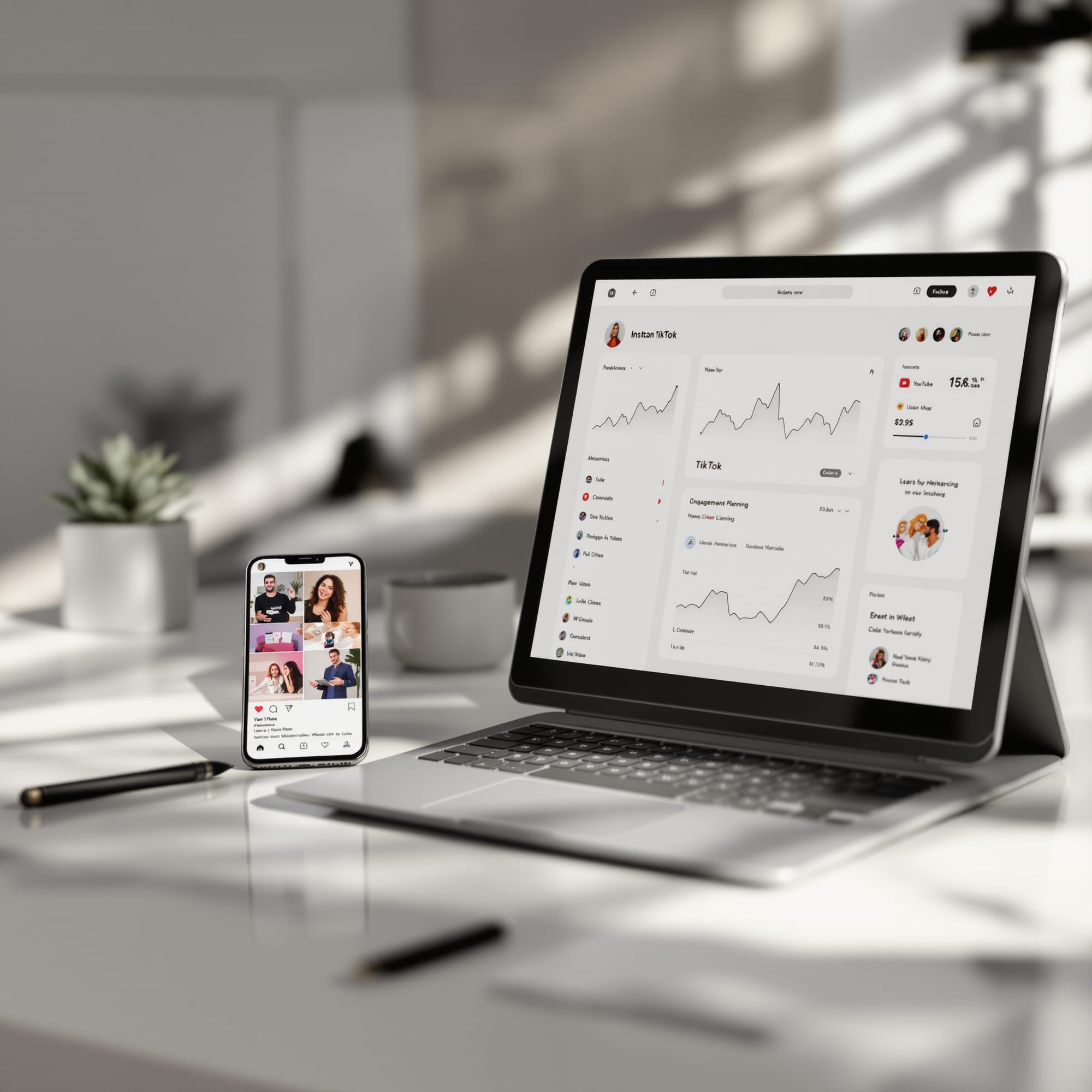
A well-structured social media posting calendar is essential for effective content marketing, enabling marketers and creators to streamline their posting schedules and enhance audience engagement. By organizing your content through a dedicated social media marketing calendar, you can strategically plan posts that align with your overall content strategy while leveraging platform algorithms to maximize reach and conversions.
Whether you use a simple spreadsheet or a specialized social media scheduling calendar tool, having a clear roadmap for your social content calendar can drastically improve efficiency, ensuring that your messages resonate with your audience at the right time.
What is a Social Media Posting Calendar and How Can It Enhance Your Marketing Strategy? | What are the benefits of using a social media posting calendar? | How can brands effectively implement a social media posting calendar? | What are common mistakes with social media posting calendars? | Why is a Social Media Posting Calendar Essential for Success?
What is a Social Media Posting Calendar and How Can It Enhance Your Marketing Strategy?
A social media posting calendar is a digital tool that allows marketers to plan, organize, and schedule their content across various platforms. By providing a clear overview of what content will be shared and when, it enhances efficiency and consistency in social media marketing efforts. With a well-structured calendar, brands can ensure timely posts that align with promotional activities, seasonal trends, or audience engagement opportunities.
Implementing a social media marketing calendar is essential in today’s fast-paced digital landscape. For instance, a beauty brand may use a social content calendar to plan for product launches and related campaigns on Instagram, TikTok, and YouTube. This structured approach facilitates not only content creation but also audience engagement, ensuring that the right message reaches the right audience at the right time. Moreover, analytics from previous campaigns can inform future strategies, highlighting successful post types, optimal posting times, and audience interaction levels.
As digital platforms evolve, so too does the importance of strategic content planning. For example, Facebook’s algorithm favors consistent posting schedules, which can lead to higher engagement rates. By using a social media scheduling calendar, marketers can effectively navigate these changes and maintain a strong presence across all platforms. Staying ahead of trends, such as the rising preference for video content on platforms like TikTok and Instagram Reels, is crucial for maximizing reach and interaction. Ultimately, an organized approach to social media posting can significantly increase a brand's visibility and audience connection in the competitive online landscape.
What are the benefits of using a social media posting calendar?
A social media posting calendar serves as a foundational tool for structuring content strategy and enhancing overall marketing efforts. By mapping out a thorough timeline of planned posts, marketers can create a cohesive narrative across all platforms, which aids in establishing a consistent brand voice. This consistency not only builds trust with the audience but also enhances engagement rates, as audiences are more likely to interact with reliable and predictable content schedules. Furthermore, a calendar improves collaboration within teams, allowing multiple team members to see strategies at a glance and refine their contributions accordingly.
Another significant benefit is the ability to align content with key dates, events, and campaigns that are relevant to your audience. For instance, leveraging seasonal events like Halloween or year-end holidays through targeted content can amplify engagement by catering to heightened consumer interest. Social media platforms such as Instagram or TikTok thrive on timely content; therefore, incorporating these strategies into your calendar enhances the relevance and impact of your posts. Consistent posting aligned with high-traffic periods can directly lead to increased reach and improved conversion rates.
Using a social media scheduling calendar can drastically streamline workflows, allowing for bulk content creation and scheduling. This is particularly effective when using tools like SMMplanner, which allows scheduling posts in advance, freeing up time for real-time engagement and community management on platforms like LinkedIn and YouTube. Scheduling tools also permit the analysis of optimal posting times based on audience insights, ensuring your content reaches followers when they are most active, thus enhancing visibility and driving interactions.
The analytics derived from a well-structured posting calendar also provide critical insights into content performance, allowing for ongoing optimization of future campaigns. By regularly reviewing engagement metrics, businesses can identify which types of content resonate most with their audience and adjust their strategies accordingly. For instance, platforms like Pinterest may require a different approach to visual storytelling compared to X, which thrives on fast-paced, timely updates.
In essence, a social media posting calendar is not merely a schedule; it is a strategic asset that drives audience growth, streamlines content workflows, and supports data-driven decision-making. As a result, establishing a robust calendar not only enhances operational efficiency but also ensures that marketers can deliver timely and relevant content that resonates with their target audience.
- Improves brand consistency and trust.
- Enhances team collaboration and planning.
- Aligns with key events for maximized engagement.
- Facilitates bulk scheduling and efficient workflows.
- Enables data-driven adjustments for future content strategies.
How can brands effectively implement a social media posting calendar?
Creating a social media posting calendar is essential for streamlining your content marketing efforts and ensuring a consistent presence across platforms like Instagram, TikTok, and LinkedIn. Begin by outlining your objectives for each campaign, knowing what kind of content resonates with your audience. An effective calendar should encapsulate not just the when and where, but also the how of your messaging. For instance, utilizing a scheduling tool like SMMplanner helps automate posts on different platforms, allowing for more time to engage with your audience.
Once your objectives are clear, you can move to a more tactical approach. Identify key dates and events relevant to your brand or industry. Maintain flexibility to adapt to trending topics or user-generated content preferences. Analyze past performance to determine which types of posts achieve the highest engagement. By iterating based on analytics, you can refine your strategy over time.
- Define clear objectives for your social media campaigns.
- Create a content mix that aligns with audience interests and platform specifics.
- Use your social media scheduling calendar to map out posts, noting key campaign dates.
- Incorporate flexibility to adapt to real-time trends or audience feedback.
- Regularly review and adjust your strategy based on performance analytics.
What are common mistakes with social media posting calendars?
One of the most prevalent mistakes brands make when using a social media posting calendar is over-scheduling content. By bombarding their audiences with excessive posts, brands can dilute engagement and lead to follower fatigue. Rather than solidifying a strong presence, inconsistency in quality can drive audience interaction down. It's crucial to strike a balance by allowing time for meaningful engagement and responses from followers.
Another ineffective tactic is neglecting analytics when planning a social media marketing calendar. Many marketers fail to adjust their strategies based on what data reveals about audience preferences and peak engagement times. For instance, a planned post during a low-traffic period might result in low visibility, which can be mitigated by leveraging insights from previous performance to refine timing and content strategy.
Misconceptions about a social media scheduling calendar also lead to inefficiency. Some brands believe that simply filling their content schedule with repetitive posts or automated messages is effectively engaging. This outdated practice can disengage an audience, leading them to perceive the account as robotic or insincere. To foster authentic connections, it's necessary to incorporate spontaneous and relevant content that resonates with current trends or audience interests.
- Over-scheduling leads to follower fatigue and reduced engagement.
- Neglecting analytics results in missed opportunities for optimization.
- Repetition in posts can create disengagement; diversify your content strategy.
- Failing to adapt to audience preferences can undermine the effectiveness of your social media marketing calendar.
Why is a Social Media Posting Calendar Essential for Success?
A social media posting calendar helps businesses and creators achieve streamlined content strategy and consistent audience engagement. By planning and organizing content effectively, marketers can enhance their reach, improve brand visibility, and drive conversions across various platforms.
Throughout this article, we explored the significance of a social media marketing calendar in optimizing your content distribution. It not only ensures that you maintain a steady flow of posts but also allows you to align your messaging with key events, promotions, and audience interests. This strategic planning is crucial in navigating platform algorithms and maximizing audience interaction.
To implement a successful social content calendar, consider utilizing a scheduling tool that fits your team's workflow and needs. Crafting engaging content, analyzing performance, and adjusting your strategy based on audience feedback will reinforce your branding efforts and contribute to overall growth. As you enhance your social media presence, consider exploring additional resources on content planning, audience development, and effective engagement techniques.