
Social Media Posting Tools: Features and Best Options for 2026
Top social media posting tools for 2026 offer advanced features to streamline scheduling, boost engagement, and simplify content management effectively.

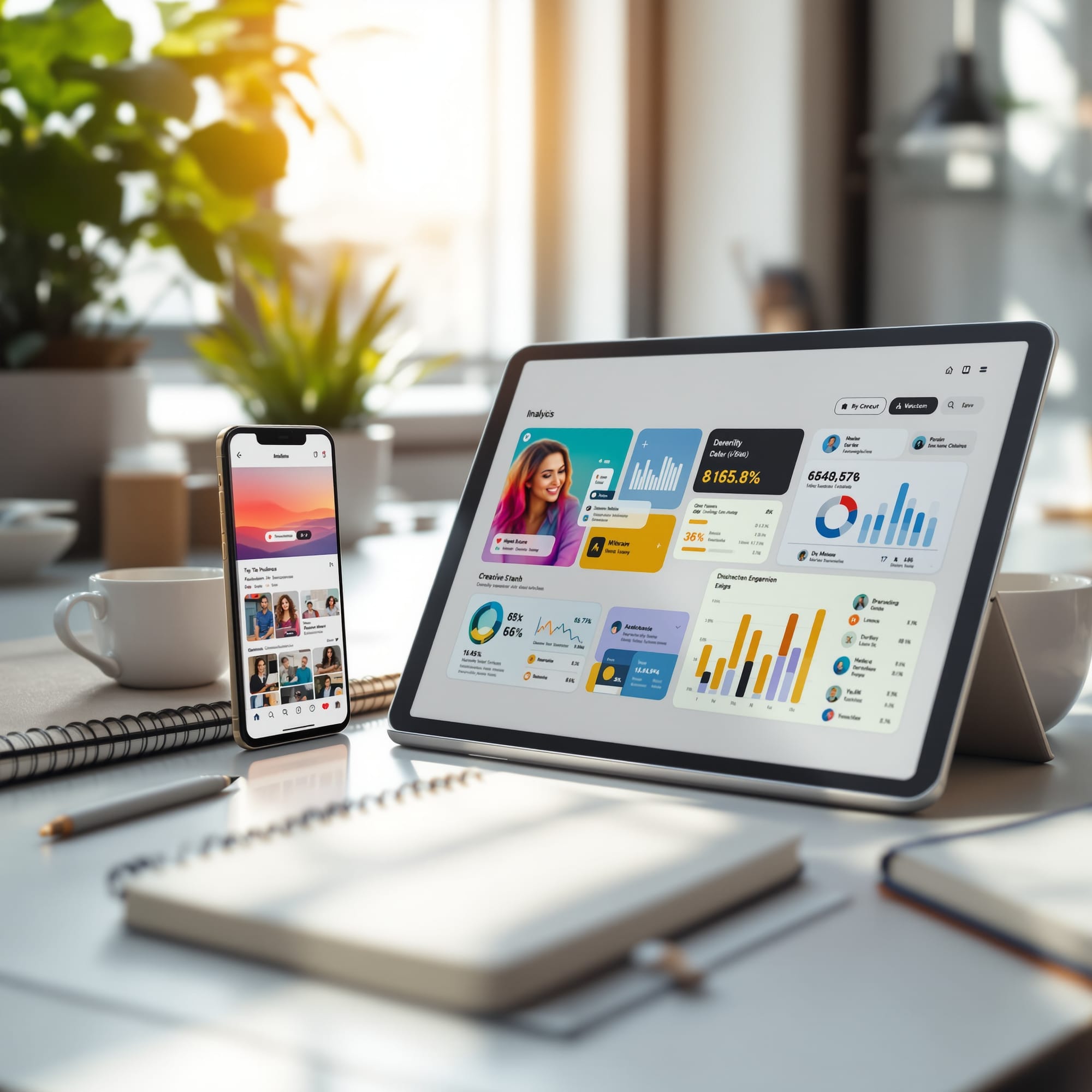
In 2026, social media posting tools have evolved to become essential for marketers and creators seeking to optimize their content strategies. These specialized social media posting tools go beyond basic functionality by offering unique features that enhance engagement, amplify reach, and cater to the nuances of various platforms' algorithms. From intuitive analytics that drive conversions to user-friendly interfaces that simplify scheduling, the latest social media post schedulers are designed to meet the dynamic needs of today’s online audience.
As you explore the best post scheduling apps available this year, it's crucial to understand how these social media posting software options differ from traditional scheduling platforms. By selecting the right tool, you can significantly improve your content distribution and achieve sustained growth in your online presence.
What are Social Media Posting Tools and Why Do They Matter in 2023? | What are the benefits of social media posting tools? | How can brands effectively implement social media posting tools in 2026? | What are common mistakes with social media posting tools? | How Can Social Media Posting Tools Propel Your Strategy? | Frequently Asked Questions
What are Social Media Posting Tools and Why Do They Matter in 2023?
Social media posting tools are specialized software solutions that enable marketers and creators to schedule, publish, and manage their content across various social media platforms efficiently. These tools often come equipped with features designed specifically for optimizing social media performance, such as analytics tracking, engagement metrics, and tailored posting times. In today's fast-paced digital landscape, utilizing dedicated social media posting software is crucial for maintaining consistent engagement and maximizing reach on platforms like Instagram, TikTok, and LinkedIn.
Implementing a post scheduling app not only streamlines your content management process but also enhances your ability to analyze performance. For instance, consider a brand that uses a social media post scheduler like SMMplanner to ensure its posts are optimally timed for audience engagement. By utilizing insights derived from platform performance metrics, marketers can adjust their content strategies based on what resonates best with their target audience, ultimately driving higher conversions and enhancing brand visibility. Furthermore, trends indicate a growing reliance on these tools as businesses recognize the importance of having a structured content calendar and the ability to react swiftly to industry developments or viral moments.
What are the benefits of social media posting tools?
Social media posting tools provide a streamlined approach to managing content on multiple platforms, allowing marketers and business owners to maintain consistency in their messaging. With features designed for specific platforms like Instagram, TikTok, and LinkedIn, these tools often include options to tailor posts for each channel's unique requirements. This level of customization ensures that your content resonates with the intended audience while maximizing engagement. For instance, a post that thrives on Instagram may not have the same impact on LinkedIn; a dedicated posting tool can help optimize this by providing insights into ideal formats, posting times, and audience preferences.
Effective social media posting software can significantly enhance engagement rates. According to recent studies, brands that utilize targeted scheduling tools see up to a 50% increase in engagement compared to those who post manually. Such tools often feature built-in analytics that allow users to track which posts receive the most interaction, enabling continuous improvement in content strategy. This capability is essential for optimizing future posts based on historical performance and audience behavior, ensuring that brands remain relevant in an increasingly crowded digital landscape.
Another key advantage is the ability to streamline content workflows and reduce the time spent on manual posting. A social media post scheduler can save hours of effort by automating the distribution of content across multiple platforms simultaneously. This function allows content teams to focus on creative strategies rather than being bogged down by the logistics of posting. Furthermore, many posting tools support collaboration among team members, facilitating smoother workflows that increase productivity and enable quicker responses to emerging trends.
- Enhanced engagement through precise post optimization.
- Increased efficiency in content workflow management.
- Real-time analytics for data-driven decision-making.
- Customizable scheduling for diverse platforms.
- Collaboration features that boost team productivity.
Implementing a social media posting tool can also provide a competitive edge in audience growth efforts. As platforms like YouTube and Pinterest continue to evolve, staying current with their algorithms is crucial. Tools that offer algorithm insight can help users strategically time their posts and utilize trending hashtags effectively. This is particularly important for content that relies heavily on visual engagement, such as video or infographics, where the right timing can dramatically influence visibility and reach.
How can brands effectively implement social media posting tools in 2026?
To maximize engagement and streamline workflows, brands must choose social media posting tools that fit their unique needs. Start by evaluating features specific to posting, like bulk upload capabilities, content optimization suggestions, and platform performance analytics. Tools like SMMplanner can simplify content rollout by allowing simultaneous posting across multiple platforms such as Instagram, TikTok, and YouTube. This integration means that rather than manually adjusting each post for different audiences, brands can save considerable time while maintaining a cohesive messaging strategy.
Next, establish a consistent posting schedule that aligns with peak engagement times on each platform. Regularly utilizing analytics will inform content adjustments, helping to refine themes and formats that resonate with your audience. Engagement should drive your decision-making, allowing for a responsive strategy that adapts to real-time feedback.
- Assess the specific needs of your brand and audience.
- Choose a social media posting tool with robust scheduling and analytics features.
- Implement a content calendar to plan and track posts.
- Analyze performance data to refine and optimize future posts.
- Engage with audience feedback to improve content relevance continuously.
What are common mistakes with social media posting tools?
Many brands overlook the importance of not fully utilizing the unique features of social media posting tools. A common mistake is using these tools solely for scheduling without leveraging features such as audience insights and engagement analytics. This results in missed opportunities to refine strategies based on real-time data, leading to ineffective audience targeting and engagement.
Another issue arises from the reliance on generic posting schedules. Many marketers set and forget their posts without adapting content to fit the specific interactive dynamics of each social media platform. For instance, a post that performs well on one platform may not resonate on another due to differing user behaviors and engagement patterns. It's crucial to customize your approach based on platform-specific features, such as Instagram Stories or Twitter polls, to enhance audience interaction.
Additionally, misconceptions around the capabilities of social media posting software can inhibit performance. Some users believe that all social media post schedulers offer the same features. However, tools designed specifically for social media posting often include advanced functionalities like social listening, performance analytics, and A/B testing, which can provide deeper insights into content effectiveness. Ignoring these differentiators can lead brands to under-optimize their social media strategies.
- Neglecting advanced features such as analytics and audience insights.
- Utilizing a one-size-fits-all posting schedule across different platforms.
- Overlooking the customization of content for specific social media dynamics.
- Assuming all social media posting tools provide the same level of functionality.
- Failing to regularly review and adjust strategies based on engagement data.
How Can Social Media Posting Tools Propel Your Strategy?
Effective social media posting tools empower businesses and creators to enhance their audience engagement and extend their reach. By streamlining the content distribution process, these tools alleviate the challenges associated with timing and frequency, ensuring your posts are seen by the right audience at optimal times.
In this article, we explored various social media posting tools and their unique features that set them apart from general scheduling platforms. We discussed the importance of these tools in implementing a robust content strategy that not only boosts visibility but also fosters branding and conversion efforts. By utilizing a specialized social media post scheduler, marketers can plan and execute campaigns that resonate with their target demographics.
As you move forward, consider the next steps in enhancing your digital growth through social media. Leverage insights from your post scheduling apps to refine your content strategy, experiment with different formats, and analyze engagement metrics. This approach will facilitate continuous learning and adaptation, thus driving sustained audience growth and better overall performance.
Frequently Asked Questions
What are the key features of social media posting tools in 2026?
In 2026, social media posting tools offer features such as advanced analytics, multi-platform support, AI-driven content suggestions, and real-time engagement tracking to enhance audience interaction and drive conversions.
How do social media posting tools improve engagement?
These tools allow marketers to schedule posts at optimal times, leverage platform-specific trends, and analyze audience behaviors, ultimately increasing engagement and fostering community building across channels.
Can I use social media posting software for multiple platforms?
Yes, many social media posting software options are designed to manage multiple platforms, allowing users to concurrently schedule and optimize content across various networks for broader reach.
Why should I choose a dedicated social media post scheduler over general scheduling tools?
Dedicated social media post schedulers offer specialized features tailored for each platform's algorithm, facilitating better content delivery, maximizing visibility, and providing analytics that cater specifically to social media performance.
Is there a cost associated with using social media posting apps?
Most social media posting apps offer different pricing tiers, including free basic features for small businesses and more comprehensive paid plans that include advanced features suitable for larger marketing teams.
How can I track the performance of my social media posts?
Utilize the analytics features of your chosen social media posting tool to monitor engagement rates, click-through rates, and conversions, providing insights that inform your content strategy going forward.
What should I consider when selecting a social media posting tool?
When selecting a tool, consider features like ease of use, integration capabilities with other platforms, scalability for future growth, and the specific analytics offered to ensure it meets your business needs.